Schools
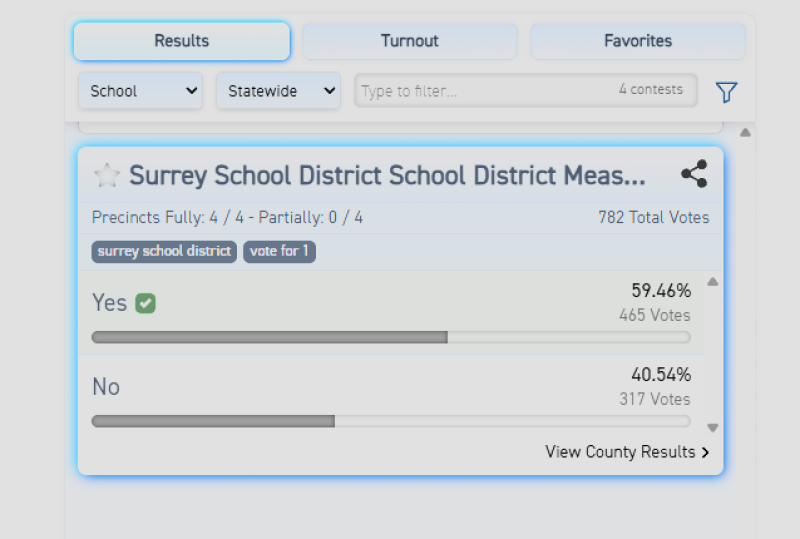
Port: Surrey school bond failed by 5 votes, but a ballot error meant some couldn't vote
By Rachel Tsukamoto
Advertisement · Why this ad?
Maya Patel has spent the last six years covering the arts scene in Fargo after earning her degree in Arts Management from North Dakota State University. She has a strong background with local art galleries and theaters, bringing a vibrant perspective to her reporting.
More from Maya →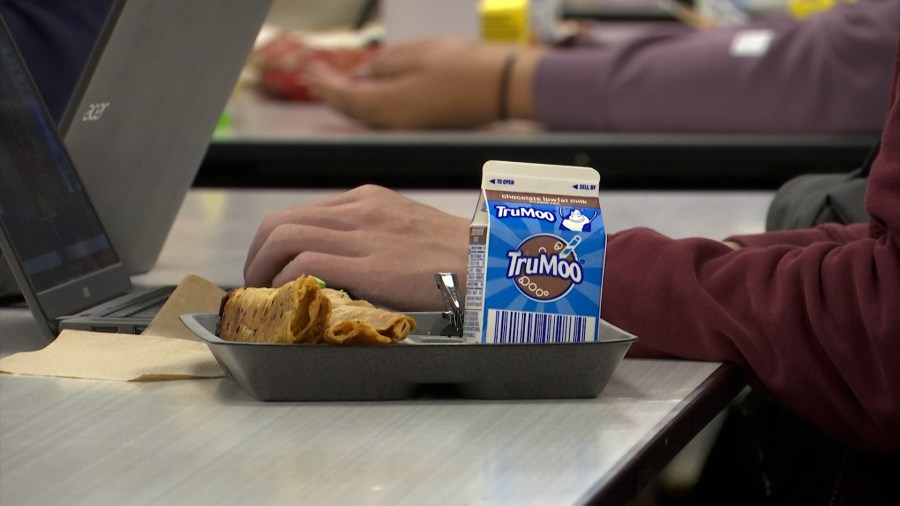
On a brisk autumn morning in Fargo, the air buzzed with anticipation and quiet hope as parents, teachers, and community leaders gathered at the city’s school board chambers. Among them was Maria Lopez, a mother of three and a dedicated volunteer at her children’s elementary school, clutching a flyer about the recent school meals bill. Her eyes reflected a mixture of disappointment and resolve, embodying the collective heartbeat of a community eager for change but facing the hard realities of policymaking.
The measure that sought to allocate millions of dollars to provide free meals for students across North Dakota’s schools fell just shy of the necessary votes during the recent election. The proposed legislation aimed to lift the financial burden from hardworking families and ensure that no child goes hungry during the school day. Specifically, the bill proposed a significant investment, with estimates of over $10 million annually, to fund free breakfast and lunch programs in districts statewide.
Despite widespread community support and endorsements from local educators and faith-based organizations, the bill struggled to garner enough legislative backing to pass. Critics cited concerns over the funding sources and long-term fiscal sustainability, while supporters emphasized the moral imperative of nourishing children as a foundation for academic success and community well-being. Ultimately, the measure fell short by a narrow margin, leaving many families in limbo.
In Fargo, the response was a mixture of disappointment and renewed determination. Local pastors and nonprofit leaders voiced their frustration, emphasizing the importance of nurturing families and fostering strong, stable households rooted in faith and commitment. “Every child deserves a healthy start,” said Reverend Samuel Turner of First Baptist Church. “Our community must continue advocating for policies that support families, especially in these challenging economic times.”
Parents like Maria Lopez expressed a heartfelt hope that future efforts would succeed. “We see the benefits daily—children who come to school hungry struggle to focus and learn,” she shared. “Providing free meals isn’t just about food; it’s about giving our kids a fair chance at a brighter future.” Teachers echoed this sentiment, emphasizing that nutrition directly impacts academic performance and emotional well-being. Despite the setback, many remain optimistic that persistent advocacy will eventually turn the tide.
Looking ahead, community leaders and policymakers are already strategizing to build support for similar initiatives in upcoming sessions. The defeat of this bill underscores the ongoing debate about how best to fund essential services while balancing fiscal responsibility. Local organizations, including the Fargo-Moorhead Food Bank and the North Dakota Department of Public Instruction, are committed to expanding existing programs and seeking alternative funding avenues.
In addition to legislative efforts, grassroots campaigns are gaining momentum. Community members are organizing town halls, social media drives, and letter-writing campaigns aimed at educating the public and legislators about the importance of childhood nutrition. These efforts are crucial as they foster community engagement and ensure that the voices of parents, teachers, and students are heard loud and clear in the halls of power.
Furthermore, local nonprofits such as the Fargo-Moorhead Food Bank are stepping up their efforts to fill the gaps. They are increasing outreach programs, partnering with local businesses for donations, and expanding mobile food pantry services to reach children directly in underserved neighborhoods. These initiatives are vital, especially given the economic challenges many families face, including rising costs of living and stagnant wages.
Key figures in Fargo’s community are emphasizing the importance of sustained advocacy. Mayor Tim Mahoney has publicly stated that ensuring children have access to nutritious meals is a top priority, and he is working closely with school officials to explore innovative solutions. “While this bill didn’t pass, it has sparked an important conversation about our community’s priorities,” Mahoney remarked. “We’re committed to finding ways to support our kids’ health and education, whether through policy, partnerships, or increased local funding.”
Similarly, the Fargo School District’s superintendent, Dr. Jane Doe, has highlighted ongoing efforts to improve meal programs within existing budgets. “We’re exploring options like expanding breakfast in the classroom and partnering with local farms to provide fresh, affordable produce,” she explained. “Our goal is to make sure every student starts the day nourished and ready to learn.”
This legislation’s failure underscores a broader challenge faced by many communities across North Dakota and the nation: how to adequately support childhood nutrition amid tight budgets and competing priorities. For Fargo, a city known for its growing population and diverse economy, ensuring children’s health is fundamental to sustaining community growth and educational excellence.
Many families in Fargo are already struggling with economic pressures. According to recent data from the North Dakota Department of Health, food insecurity affects approximately 1 in 8 children in the state, a statistic that underscores the importance of accessible nutrition programs. For families like the Lopezes, who work multiple jobs to make ends meet, the prospect of free school meals is not just a policy issue but a lifeline.
Moreover, the community’s schools serve as vital hubs for social services, mental health support, and community engagement. Ensuring children are well-nourished directly impacts their ability to succeed academically, participate in extracurricular activities, and develop social skills. The ripple effect extends beyond individual students, strengthening the fabric of Fargo’s neighborhoods and fostering long-term economic stability.
As the community reflects on the election results, hope remains high. Local leaders are committed to continuing the fight for equitable access to nutrition, recognizing that this is a marathon, not a sprint. The upcoming legislative session in North Dakota offers a renewed opportunity for advocates to present new data, refine proposals, and build broader coalitions.
Meanwhile, community organizations are preparing to implement pilot programs and expand existing initiatives. The Fargo-Moorhead Food Bank, for instance, plans to launch a summer meal program targeted at vulnerable children, ensuring that nutrition gaps don’t widen during school breaks. Schools are also exploring innovative approaches, such as after-school snack programs and community gardens, to promote healthy eating habits and food literacy among students.
Educational campaigns are also underway to raise awareness about childhood nutrition’s importance. Local media outlets are partnering with schools and nonprofits to share stories of children impacted by food insecurity, aiming to foster empathy and motivate policy change. These stories highlight not only the struggles but also the resilience of Fargo’s youth and their families.
Ultimately, the community’s resilience and collective action remain its greatest assets. The setback in passing this bill serves as a reminder that policy change requires persistence, strategic advocacy, and a shared vision for a healthier, more equitable future. Fargo’s community leaders and residents are determined to keep pushing forward, confident that their efforts will eventually lead to tangible improvements for their children and families.
As Maria Lopez and countless other parents continue to advocate, the hope is that future elections will bring the necessary support to ensure no child in North Dakota faces hunger during the school day. Their voices, along with those of teachers, health professionals, and community advocates, form a chorus of resilience that echoes through Fargo’s streets and beyond, promising a brighter future for all.
By Rachel Tsukamoto

By Jenna Larson

By Lillian Becker

By Jake Thompson